
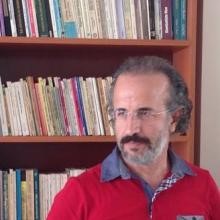
Systematic Philosophy and Logic,Social Sciences University of Ankara,Altindag,TurkeyPhilosophy of Education; Philosophy of History
He completed his undergraduate education at Marmara University Faculty of Theology, his master's degree at Harran University and his doctorate at Ankara University. His main topics of interest and study are philosophy of history and philosophy of education, democracy, human rights, critical thinking, and philosophy of artificial intelligence, philosophy of social sciences and family philosophy. He published books entitled "Mevlana'da Aşk ve Varoluş" (Love and Existence in Mevlana), "Tarih Felsefesi", (Philosophy of History), "Müslümanca Demokrasi Üzerine Tartışmalar" (Discussions on Muslim Democracy),"David Hume'un Bilgi Kuramı",(David Hume's Theory of Knowledge), "David Hume ve Din Felsefesi" (David Hume and the Philosophy of Religion). He was a visiting scholar at Oxford University in 2011 apart from many other scientific activities in other countries. He is a member of the "Türk Felsefe Derneği" (Turkish Philosophical Society) and GelARD Association, he has been the manager of (Eğitim-Bir-Sen) union for education workers, and writing columns "Yeni Söz" and "Milat" newspapers. He is a faculty member in ASBU (Social Sciences University of Ankara).
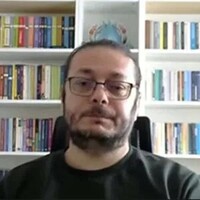
Faculty of Theology,Iğdır University, Iğdır,TurkeyMetaphilosophy; Logic and Philosophy of Logic
Research Associate in Islamic Philosophy at Iğdır University, specializing in Islamic philosophy, metaphysics, epistemology, logic, ancient and modern philosophy, and philosophy of religion. His research covers Plato, Aristotle, Avicenna, Averroes, al-Ghazali, Descartes, Kant, and Wittgenstein. He is also Head of the Entelekya School of Logico-Metaphysics and has published several works in philosophy, including articles in Beytulhikme An International Journal of Philosophy.

Faculty of Behavioural, Management and Social Sciences,University of Twente,Enschede, NetherlandsPhilosophy of Technology; Philosophy of Mind; Continental Philosophy; Metaphysics and Epistemology; Ethics; Phenomenology
Full Professor of Philosophy at the University of Twente, specializing in Philosophy of Technology and Human-Technology Relations. His research focuses on how technology shapes human identity, selfhood, freedom, responsibility, cognition, and desire, with additional interests in phenomenology, philosophy of mind, metaphysics, ethics, and philosophy of artificial intelligence.
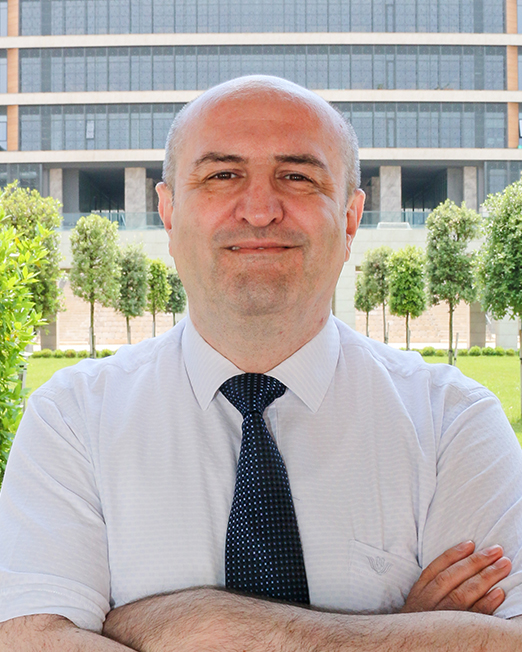
Faculty of Letters,İstanbul 29 Mayıs University, İstanbul, TurkeyLogic; Philosophy of Mathematics; Ontology; Metaphysics, Kantian Philosophy; Moral Philosophy; Object Theory; Foundations of Mathematics
Ahmet Ayhan Çitil, 1991 yılında Boğaziçi Üniversitesi’nde Endüstri Mühendisliği ve İktisat bölümlerinde çift anadal programını tamamladı. 1994 yılında yine aynı üniversiteden An Introduction to the Ontological Foundations of Gödel’s Incompleteness Theorems başlıklı teziyle Felsefe Yüksek Lisans ve 2000 yılında The Theory of Object in Kant’s Transcendental Thought and Some Consequences of a Deepening of This Theory başlıklı teziyle Felsefe Doktora Derecesi aldı. Çitil’in akademik çalışmaları bir yandan mantık, matematik felsefesi ve ontoloji alanlarına bir diğer yandan da ahlâk felsefesine odaklanmaktadır. Çitil, nesne merkezli bir matematik felsefesi geliştirme projesine ilişkin çalışmalarının bir kısmını Matematik ve Metafizik, Birinci Kitap: Sayı ve Nesne (2012) başlıklı bir kitap olarak yayımlamıştır. Ahlâk felsefesi alanındaki çalışmaları “Tarihsel bir mekânda var olan biz aktörler için ahlâkî anlamda nesnel sınırların olduğu gösterilebilir mi?” sorusu etrafında sürmektedir.
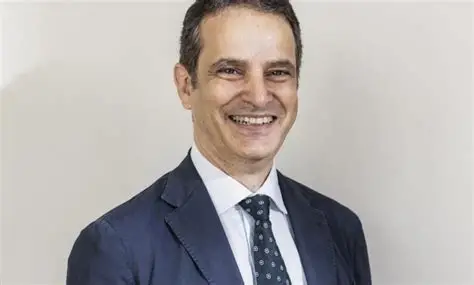
History of Medieval Philosophy,Scuola Normale Superiore,Lucca, ItalyHistory of Philosophy; Islamic Studies; Arabian Studies; Semitic Studies
Amos Bertolacci is Full Professor of History of Medieval Philosophy at the IMT School for Advanced Studies Lucca and Director of the PhiBor Research Unit. His research focuses on medieval philosophy, particularly Avicenna, Averroes, Arabic-Islamic philosophy, the reception of Aristotle’s Metaphysics, and the transmission of Arabic philosophy into the Latin medieval world. He also has extensive research experience in the history of metaphysics and intercultural intellectual exchanges between Greek, Arabic-Islamic, Hebrew-Jewish, and Latin-Christian traditions.
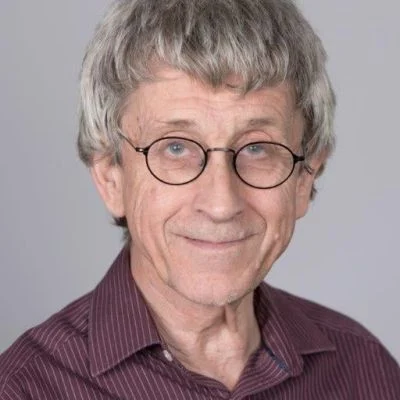
The Warburg Institute, School of Advanced Study,University of London,London, UKThe transmission of texts, techniques and artefacts from the Arab world to the West, especially in the Middle Ages | Jesuits in Japan | Palaeography | History of Numerals and Arithmetic
Charles Burnett studied for the BA in Classical in Cambridge University (May 1972) and achieved a PhD in Modern and Medieval Languages in the same university in June 1976. Having been a Junior Research Fellow at St John’s College, Cambridge, 1976-9, and a Senior Research Fellow, Warburg Institute, 1979-82, he was Leverhulme Research Fellow in the Department of History, at the University of Sheffield (1982-4 and 1985), interrupted by a year as Member of the Institute for Advanced Study, Princeton (1984-5). He was appointed Lecturer in the History of Islamic Influences in Europe at the Warburg Institute, University of London, in April 1985, and promoted to Professor in 1999.

School of Philosophy,The Catholic University of America,Washington, D.C., USAMedieval Arabic Philosophy;Ancient Philosophy (Plato in particular);Metaphysics;Greek into Arabic;Medieval Studies
Thérèse-Anne Druart is Professor Emerita of Philosophy at The Catholic University of America. Her research focuses on medieval Arabic-Islamic philosophy, metaphysics, and theology, with particular emphasis on Ibn Sina (Avicenna), al-Farabi, and Averroes. Her scholarly work explores the development and transmission of philosophical ideas across the Greek, Arabic, Islamic, and Latin traditions, with particular interests in metaphysics, philosophy of the soul, and medieval intellectual history. She has published extensively on Islamic philosophy and theology and has contributed to the study of the philosophical exchanges between the Islamic and Western intellectual traditions.
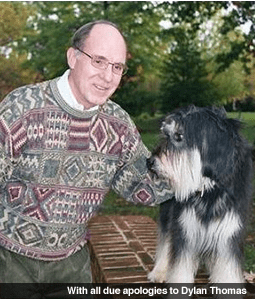
Department of Government and Politics, College of Behavioral and Social Sciences,University of Maryland, Maryland, USAHistory of political philosophy -- ancient, medieval, and modern -- with special emphasis on the Arabic-Islamic Middle East
Charles E. Butterworth is Professor Emeritus of Government and Politics at the University of Maryland, College Park. His research focuses on medieval Arabic-Islamic political philosophy and the history of political philosophy, with particular emphasis on the works of Averroes, Alfarabi, and Avicenna. His scholarship examines political philosophy, the relationship between reason and revelation, and the transmission and interpretation of philosophical ideas across the Islamic and Western intellectual traditions. He has published extensively on Arabic and Islamic philosophy and has produced influential translations, critical editions, and studies of medieval Islamic philosophical texts.
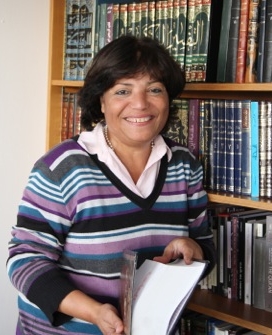
Philosophische Fakultät und Fachbereich Theologie,University of Erlangen, Erlangen, GermanyIslamic Philosophy; Kalām; Comparative Philosophy; Interreligious Dialogue; Ethics
Maha El Kaisy-Friemuth is Professor of Islamic-Religious Studies at Friedrich-Alexander-Universität Erlangen-Nürnberg (FAU). Her research focuses on classical Islamic theology and philosophy, particularly Muʿtazilite thought, Islamic rational theology, and the relationship between God and humanity in Islamic intellectual traditions. Her scholarly work also examines the philosophical and theological thought of figures such as Ibn Sina (Avicenna) and al-Ghazali, as well as intellectual encounters between Islamic, Jewish, and Christian traditions. Her research interests further include contemporary Islamic rational thought, gender perspectives in Islamic theology, and Muslim life in Europe.
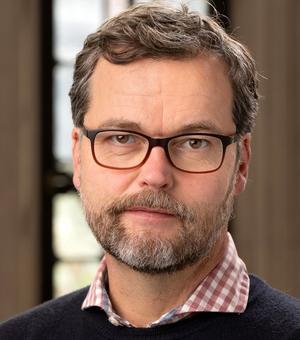
Faculty of Theology and Religion,University of Oxford,Oxford,UKIslamic intellectual history;conflicts between reason-based knowledge and faith-based knowledge in pre-modern Islam;Judaism and Christianity;conflicts between philosophy and religious authority;religious tolerance in the pre-modern period
Frank Griffel is Professor for the Study of Abrahamic Religions at the University of Oxford and a Fellow of Lady Margaret Hall. His research focuses on Islamic philosophy, Islamic theology, and Muslim intellectual history, with particular emphasis on the development of philosophy and theology in the post-classical Islamic world. His work examines the relationship between reason and revelation and the interaction between philosophy and religious authority, with particular attention to thinkers such as al-Ghazali, Avicenna, Averroes, Maimonides, and Fakhr al-Din al-Razi. His research also explores the intellectual exchanges between Islamic and Jewish philosophical traditions.
Department of Philosophy,University of Kentucky,Kentucky, USAJewish Studies;Islamic, Jewish and Eastern Philosophy;Asian Philosophy
Oliver Leaman is Professor of Philosophy at the University of Kentucky. His research focuses on Islamic and Jewish philosophy, Asian philosophy, and the history of philosophy, with particular emphasis on medieval Islamic and Jewish philosophical traditions. His scholarly work explores the philosophical thought of figures such as Averroes, Maimonides, and other major thinkers in the Islamic and Jewish intellectual traditions, as well as the relationship between philosophy, religion, ethics, and culture. He is the author and editor of numerous works on Islamic and Jewish philosophy, including An Introduction to Medieval Islamic Philosophy, Averroes and His Philosophy, Islam and Morality: A Philosophical Introduction, and the Biographical Encyclopedia of Islamic Philosophy.

Faculty of Theology,Ankara University, Ankara, TurkeyPhilosophy of Religion, Islamic Philosophy, Philosophical Theology, Epistemology, Metaphysics, Faith and Reason, Religious Pluralism, and the Rationality of Religious Belief.
Mehmet Sait Reçber is Professor of Philosophy of Religion at Ankara University. His research focuses on philosophy of religion, Islamic philosophy, philosophical theology, epistemology, metaphysics, and the philosophical foundations of religious belief. His work engages with questions concerning the rationality of religious belief, the relationship between faith and reason, divine attributes, religious language, religious pluralism, and the philosophical understanding of God. He has also contributed to the study of Islamic and Western philosophical traditions and has published extensively on thinkers including al-Ghazali, Ibn al-Arabi, Alvin Plantinga, Richard Swinburne, and John Hick.
Department of Philosophy,University of Minnesota,Minnesota, USAFeminist theory;trustworthiness and community engagement;responsibility in research;queer/sexuality studies;transgender studies;politics of epistemology
Naomi Scheman is Professor Emerita of Philosophy at the University of Minnesota. Her research focuses on feminist philosophy and feminist theory, epistemology, philosophy of mind, and the social and political dimensions of knowledge. Her scholarly work examines questions of objectivity, trustworthiness, authority, privilege, and the relationship between knowledge and social context. She has also contributed extensively to queer and sexuality studies, transgender studies, and the politics of epistemology. Her major publications include Engenderings: Constructions of Knowledge, Authority, and Privilege and Shifting Ground: Knowledge and Reality, Transgression & Trustworthiness.
Faculty of Arts and Social Sciences,University of Sydney,Sydney,AustraliaMedieval Philosophy; Ancient Philosophy; Aristotelian Logic; Medieval Logic; Metaphysics; Arabic Philosophy; Aesthetics
Paul Thom is Professor of Philosophy at the University of Sydney and a Fellow of the Australian Academy of the Humanities (FAHA). His research focuses on ancient and medieval philosophy, Aristotelian logic, medieval logic, metaphysics, ontology, and the history of philosophy. His scholarly work examines the development of logical and metaphysical ideas from ancient Greek philosophy through the medieval Arabic and Latin traditions, with particular attention to Aristotle, Avicenna, al-Farabi, and medieval Aristotelian thinkers. His research also explores formal logic, modality, essentialism, and the relationship between logic and ontology.
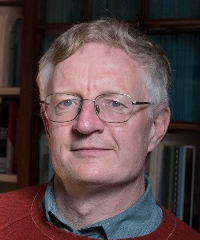
Faculty of Philosophy, University of Oxford, Oxford,UKEpistemology; Logic; Metaphysics; Philosophy of Language
Timothy Williamson is Senior Research and Teaching Fellow and Emeritus Wykeham Professor of Logic at the University of Oxford, where he is also a Professorial Fellow of New College. His research focuses on epistemology, philosophical logic, metaphysics, and philosophy of language. His work addresses fundamental questions concerning knowledge, evidence, modality, logic, truth, language, and philosophical methodology. He has made major contributions to contemporary analytic philosophy, particularly through his research on knowledge, vagueness, modal logic, metaphysics, and the nature and methods of philosophy. He is the author of numerous influential works, including Knowledge and Its Limits, Vagueness, The Philosophy of Philosophy, and Modal Logic as Metaphysics.
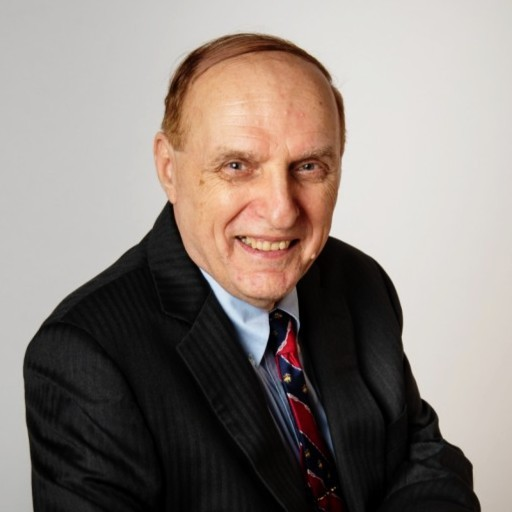
Department of Philosophy,The American University in Cairo, New Cairo, EgyptHistory of Philosophy; Philosophy of History; Comparative Philosophy; Philosophy of Religion; Islamic Thought
Ernest Wolf-Gazo is a philosopher whose research focuses on the history of philosophy, philosophy of history, comparative philosophy, philosophy of religion, and Islamic thought. His scholarly work explores the intersections between Western and Islamic philosophical traditions, with particular interests in metaphysics, process philosophy, philosophy of science, and intercultural philosophical dialogue. His research has engaged extensively with thinkers such as Alfred North Whitehead, R. G. Collingwood, Averroës, and other major figures in Western and Islamic intellectual traditions. His work also examines the relationship between philosophy, science, religion, and cultural contexts.
Faculty of Arts and Philosophy,Sapienza University of Rome,Rome, ItalyMedieval Jewish Philosophy; Arabic Philosophy; Islamic Philosophy; Medieval Philosophy; Jewish-Arabic Philosophy; Maimonides; Averroes; Al-Farabi
Mauro Zonta is a scholar of medieval philosophy at Sapienza University of Rome. His research focuses on medieval Jewish philosophy, medieval Arabic philosophy, and the history and transmission of philosophical ideas between the Jewish, Islamic, and Latin intellectual traditions. His work has particularly examined the philosophical thought of Maimonides, Averroes, and al-Farabi, as well as the transmission of Aristotelian philosophy into medieval Jewish and Arabic contexts. His research also addresses medieval philosophy and science, Jewish scholasticism, philosophical terminology, and the historical relationships between Jewish, Islamic, and Latin philosophical traditions.
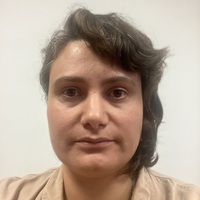
Faculty of Humanities and Social Sciences,Social Sciences University of Ankara, Ankara, TürkiyeHistory of Philosophy; History of Science and Technology; Ethics
Hatice Keskin is a researcher in Philosophy at the Social Sciences University of Ankara. Her research focuses on the history of philosophy, the history of science and technology, and ethics, with particular interests in medical ethics, philosophy of medicine, and bioethics. Her work explores philosophical and ethical questions concerning scientific and medical knowledge, epistemic authority, technological developments, and contemporary ethical issues. She is also interested in the historical and conceptual relationships between philosophy, science, medicine, and society.